
Water
Water is one of the two biggest issues nobody is talking about, and the timeline is shorter than most people realize. The North Texas Municipal Water District — the provider for most of this county — projects that existing supplies will not meet demand in a dry year by the mid-2030s. That is not a distant abstraction. It is inside the working life of the decisions a Commissioner elected this November will make.
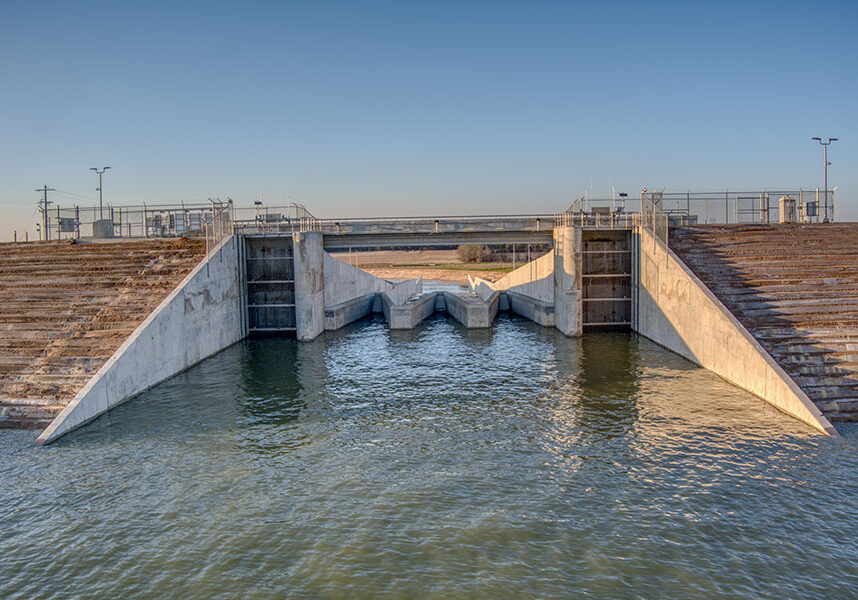
We are not building infrastructure fast enough to keep pace with our growth. Bois d’Arc Lake is producing, and it was the right project. But the next major reservoir in the plan, Marvin Nichols in Northeast Texas, was pushed back twenty years in a mediated agreement adopted by the Texas Water Development Board — it is now slated for 2070. Whatever one thinks of that outcome, the practical consequence is unavoidable: the supply we need in the 2030s and 2040s has to come from somewhere other than that reservoir.
Meanwhile, fights over water rights and provisioning keep producing Municipal Utility Districts — an expensive, fragmented workaround that leaves residents paying for redundant systems that better regional cooperation would have made unnecessary.
Here’s how I’ll approach it.
I’ll work with local, state, and federal officials throughout North Texas on reservoirs and the infrastructure to move water where it’s needed — while pressing hard on the solutions that can come online sooner, including Direct Potable Reuse and desalination.
Municipal water systems lose as much as thirty percent of their water to leaks. Our shifting clay soil is brutal on rigid pipe, and replacing it with HDPE and fittings built to flex with that soil recovers water we already paid to treat. It is the cheapest new supply available to us, and we are leaving it in the ground.
The Upper Trinity Aquifer must be recharged sufficiently rather than drawn down as a matter of convenience.
Creative conservation has to be real and it has to be structural — the goal is a system resilient enough that mandatory watering restrictions never become the tool of first resort. Data centers, which are arriving here in volume, should be using gray water for evaporative cooling rather than treated drinking water.
We need far greater connectivity between our water systems, so that a shortage in one place can be answered from another instead of becoming a local emergency.
And we should protect the quality of what we have. The North Texas Municipal Water District operates the largest ozonation plant in the country. I want that capability supported and augmented with Biologically Active Filtration at all of our water plants.
Thinking decades ahead on water isn’t caution. At this rate of growth, it’s the only responsible posture.